Crucial Tips for Effective Moss Elimination to Boost Your Outside Room
Moss can be a relentless issue in exterior rooms, typically growing in wet and shaded locations. Recognizing the underlying sources of moss growth is essential for reliable removal and prevention. Identifying the right methods and tools is essential for tackling this problem. Additionally, preserving a healthy and balanced outside environment can substantially lower the chances of moss returning. Exploring efficient approaches can change neglected areas right into vivid landscapes. What actions can one require to guarantee enduring results?
Recognizing the Causes of Moss Growth
Although moss can include an attractive high quality to landscapes, its development frequently shows underlying problems in the environment. Normally, moss thrives in moist, shaded areas where sunlight is restricted, developing an excellent habitat for its spreading. Poor drainage and compacted soil contribute significantly to its spread, as these problems keep wetness and hinder correct water drainage. Additionally, acidic dirt can favor moss over better plants, resulting in discrepancies in the ecological community. High humidity and regular rains better exacerbate the problem, allowing moss to flourish where other greenery struggles. Lack of competition from lawn yards can also facilitate moss growth, particularly in neglected locations. Overall, comprehending the sources of moss growth is critical for efficient monitoring and removal, making sure that outdoor spaces can go back to their designated aesthetic and eco-friendly feature. Attending to these underlying concerns is important to protect against future moss problems.
Determining Locations Prone to Moss Build-up
Determining areas vulnerable to moss buildup is key to effective management and prevention. Moss thrives in environments that are damp, shaded, and have poor drainage. Areas under trees or dense shrubs typically experience reduced sunlight, creating suitable problems for moss growth. Additionally, regions with compacted soil, such as pathways or heavily trafficked yards, may keep moisture, more promoting moss spreading.
In addition, poorly draining surface areas like concrete or asphalt can likewise become moss hotspots, particularly in shaded spots. Property owners must routinely inspect their exterior spaces, trying to find indications of moss on roof coverings, outdoor patios, and garden beds. Determining these locations enables for proactive actions to be taken, such as improving sunlight direct exposure, enhancing water drainage, or readjusting landscaping. By recognizing these susceptible zones, individuals can much better plan for and prevent future moss issues, ultimately resulting in a much healthier and a lot more visually pleasing outdoor room.

Efficient Moss Elimination Strategies
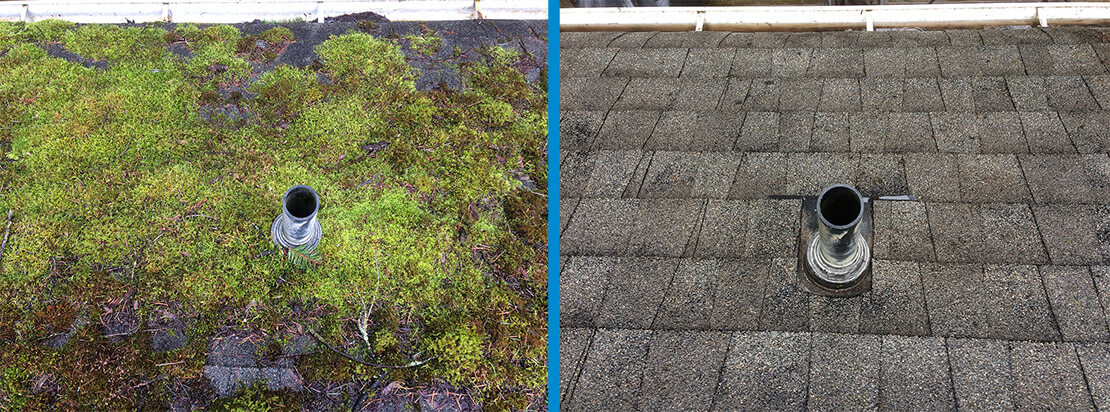
Getting rid of moss effectively requires a mix of methods tailored to the details surfaces and problems where moss has held. For difficult surface areas such as patios and driveways, a stress washing machine can be extremely efficient, blowing up away moss without harming the underlying material. When taking care of softer surfaces like roofing systems or wooden decks, a gentler strategy is necessary; using a soft-bristle brush and a mixture of vinegar and water can aid displace moss without creating damage.
:max_bytes(150000):strip_icc()/remove-moss-from-roofs-4136874-hero-aeda36ea5d6144bc893e03a7fdfc9779.jpg)
Avoiding Future Moss Development
To avoid future moss growth, it is vital to boost sunlight exposure and boost drain systems. Increasing sunlight can hinder moss from flourishing in shaded areas, while efficient drainage decreases wetness accumulation. Carrying out these strategies can produce an atmosphere much less helpful to moss proliferation.
Improve Sunlight Direct Exposure
Exactly how can increasing sunlight direct exposure properly combat future moss growth? By allowing much more sunlight to get to shaded areas, house owners can greatly hinder the perfect conditions that moss prospers in. Moss normally embellishments in dark, wet settings; consequently, boosting light accessibility can interrupt its life process. Strategic tree cutting or removal may be required to increase sunshine in impacted locations. Additionally, making use of reflective surfaces, such as light-colored rocks or patio materials, can additionally boost light infiltration. Frequently monitoring and keeping garden health and wellness additionally assures that sunlight can get to the ground efficiently. Applying these measures not only decreases the probability of moss regrowth however additionally promotes a healthier, extra vibrant outdoor area.
Boost Drain Solutions
Reliable water drainage systems play a necessary duty in avoiding future moss development in property landscapes. When water accumulates in specific locations, it produces a wet environment favorable to moss spreading. To enhance drainage, home owners ought to examine their landscape for low-lying locations and consider setting up French swales or drains pipes to redirect excess water. Routine upkeep, such as getting rid of downspouts and rain gutters, will certainly additionally promote effective water flow. In addition, making sure that dirt is well-aerated can boost absorption and reduce water merging. Planting drought-resistant greenery can additionally alleviate dampness retention, producing a negative setting for moss. By addressing drainage issues proactively, property owners can considerably reduce the likelihood of moss taking hold and preserve a healthier, much more lively outside space.
Choosing the Right Products for Moss Control
When selecting items for moss control, homeowners have to weigh the advantages of all-natural versus chemical remedies. Each choice uses possible downsides and distinctive benefits, influencing effectiveness and ecological impact. Furthermore, recognizing numerous application methods can assure ideal lead to moss elimination efforts.
All-natural vs. Chemical Solutions
While both chemical and natural remedies supply viable options for moss control, the choice commonly depends upon private choices, environmental factors to consider, and the severity of the moss issue. All-natural options, such as vinegar, cooking soda, or salt, are commonly preferred for their eco-friendliness and low toxicity. They can effectively inhibit moss growth without hurting bordering plants or soil health. On the other hand, chemical services often tend to be much more potent and can give quicker results, making them ideal for severe problems. However, they may present risks to non-target organisms and the setting if misused. Eventually, the decision in between chemical and all-natural items must reflect a balance of efficiency, safety, and the total effect on the exterior area.
Application Methods Described
Choosing the right items for moss control entails comprehending the numerous application methods offered. House owners can select in between granular, fluid, and foam items based upon their choices and the particular location impacted by moss. Granular remedies are commonly topped the moss-infested location, permitting for gradual absorption and effectiveness. Liquid treatments, commonly used with a sprayer, deal immediate coverage and penetration, making them ideal for bigger locations. Foam products offer targeted application, which can be beneficial for intricate surfaces like roofings or walls. Additionally, aspects such as weather problems and surface area type must be considered when choosing an approach. Eventually, recognizing these techniques allows efficient moss control, ensuring a healthier and a lot more enticing outdoor area.
Keeping a Healthy And Balanced Outdoor Space After Removal
After moss removal, it is important to execute efficient upkeep approaches to guarantee the outdoor room continues to be lively and healthy. Normal yard care is necessary; mowing at the appropriate elevation promotes turf health and discourages moss regrowth. Additionally, ensuring ample sunshine gets to the yard and yard locations is important, as moss prospers in shaded environments.
Soil health ought to also be prioritized. Checking soil pH and nutrient degrees can assist ideal modifications, cultivating a durable environment. Appropriate water drainage is one more key variable; attending to any merging water can prevent moss from restoring itself.

Frequently Asked Concerns
Can Moss Be Beneficial for My Garden or Landscape?
Moss can be helpful for yards and landscapes by providing ground cover, retaining moisture, and enhancing soil top quality. It additionally promotes biodiversity, offering environment for little organisms and improving the overall aesthetic appeal of exterior rooms.
Just how Lengthy Does It Consider Moss to Grow Back After Removal?
Moss can regrow within a couple of weeks to several months after removal, relying on ecological conditions like wetness, shade, and dirt quality. Regular upkeep is essential to protect against quick reestablishment in influenced areas.
Is Moss Elimination Harmful to Bordering Plants or Wild Animals?
Moss elimination can potentially harm bordering plants and wildlife, particularly if chemical therapies are utilized. Hands-on removal, nevertheless, normally positions very little risk, though care should be required to prevent disturbing neighboring plant life and environments throughout the procedure.
What Time of Year Is Ideal for Moss Removal?
The very best time for moss elimination is normally in early springtime or late autumn. During these seasons, temperature levels are modest, and wetness degrees can help promote the removal procedure while reducing stress on surrounding plants.
Just How Can I Tell if Moss Is Dead or Simply Dormant?
To identify if moss is dead or inactive, one should check its shade and texture. Healthy moss shows up environment-friendly and vibrant, while dead moss tends to be brown and fragile, lacking wetness and flexibility.
Generally, moss prospers in moist, shaded locations where sunlight is limited, producing this post an excellent habitat for its proliferation. Eliminating moss properly calls for a combination of strategies customized to the specific surfaces and conditions where moss has actually taken hold. Increasing sunlight can discourage moss from prospering in shaded locations, while efficient drainage minimizes moisture buildup. By permitting a lot more sunlight to get to shaded locations, homeowners can considerably prevent the ideal conditions that moss flourishes in. While both all-natural and chemical services provide viable alternatives for moss control, the selection often depends on specific choices, ecological factors to consider, and the intensity of the moss issue.
Comments on “Moss Removal Victoria: The Science Behind Why Moss Grows on Your Roof”